Logistics Market Update: November 2026
From Black Friday demand and new EU import fees to changing ocean freight capacity and European rail disruptions.
November is an important month for international logistics. Seasonal shopping peaks increase pressure on e-commerce supply chains, new EU customs measures affect imports, and changes to ocean freight schedules and European rail infrastructure can make transport planning more challenging.
For businesses moving goods across borders, these developments can influence costs, transit times and delivery reliability. In this month’s Market Update, we look at four key developments and what businesses can consider when planning their supply chains for the weeks ahead.
1. Black Friday and Cyber Monday: Is Your Supply Chain Ready?
Black Friday takes place on 27 November, followed by Cyber Monday on 30 November. What began as a short period of major retail discounts has developed into a busy shopping period that can affect the entire supply chain, from inventory planning and warehouse operations to transport and final delivery.
The scale of this demand is reflected in the figures. According to Salesforce, global sales during Cyber Week 2025 reached $336.6 billion, an increase of 7% compared with the previous year. In the Netherlands, data from Wuunder’s Parcel Radar showed that 15.3% of parcels were delayed during Black Friday week 2025, compared with 7.6% on an average day.
Higher order volumes do not only create challenges for retailers. Warehouses need sufficient space and staff to process incoming stock and outgoing orders, while transport providers must manage increased shipment volumes within their available capacity. When several parts of the supply chain experience pressure at the same time, delays can quickly build up.
Preparation is therefore essential. Businesses should use previous sales figures and current demand forecasts to estimate the stock they will need. Warehouse capacity, staffing levels, order cut-off times and transport arrangements should also be reviewed well before the peak begins. It is equally important to keep customers informed if delivery times change.
Planning for Black Friday should not stop when the discounts end. Orders placed over the weekend can create an additional workload at the start of the following week, while returns and replenishment may continue to affect warehouse operations into December.
By preparing early and coordinating inventory, warehousing and transport, businesses can improve their chances of managing the seasonal peak without unnecessary disruption.
2. New EU Handling Fee: What Does It Mean for E-commerce Imports?
From 1 November 2026, a new European handling fee of €2 per customs declaration line is expected to apply to qualifying e-commerce shipments purchased outside the EU and delivered directly to consumers within the EU. The measure is intended to help cover the additional customs supervision required to process the growing volume of imported e-commerce goods.
The scale of this growth helps explain why the rules are changing. According to the European Commission, approximately 5.9 billion low-value e-commerce items entered the EU in 2025, around four times the volume recorded in 2022. Processing these shipments creates additional demands on customs authorities, including the verification of shipment data and the inspection of goods.
The handling fee is calculated per declaration line, rather than simply as a flat charge for each parcel. For example, if a shipment contains three separately declared product lines, the handling fee would amount to €6. This means the total cost can vary depending on the contents of a shipment and how the goods are declared. The fee also applies to qualifying e-commerce shipments with a value above €150.
It is important to distinguish this measure from the separate €3 customs duty introduced on 1 July 2026 for qualifying e-commerce goods in consignments valued at up to €150. The two charges serve different purposes and have different conditions, so businesses should not treat them as one combined fee.
For companies importing goods from outside the EU, the changes make it increasingly important to understand how their shipments are classified and declared. Businesses should review their customs processes, assess how the additional charges may affect landed costs and ensure that the information provided for each shipment is complete and accurate. New product-identification requirements for e-commerce customs declarations are also scheduled from November 2026.
The practical impact will depend on the type of goods imported, the shipment structure and the customs arrangements in place. Reviewing these details in advance can help businesses identify potential cost changes and avoid preventable issues during customs clearance.
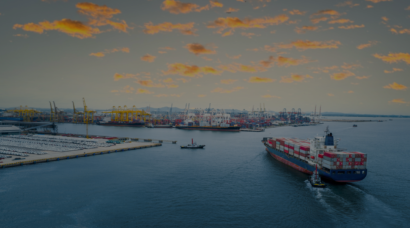
3. Ocean Freight: Capacity Changes After China’s Golden Week
China’s Golden Week holiday in early October temporarily changes the rhythm of manufacturing and export activity. As factories and businesses pause or reduce operations, cargo flows can shift. Shipping lines then adjust their schedules and capacity to respond to changes in demand.
For November, carriers have announced blank sailings and other schedule adjustments on some Asia–Europe services. A blank sailing means a scheduled vessel departure is cancelled, removing that sailing from the available schedule. Although these adjustments can help carriers manage capacity, they may leave shippers with fewer departure options on particular routes or during specific weeks.
The effect is not the same across every trade lane. Capacity, demand and schedule reliability vary between services, ports and destinations. In some cases, changes may lead to tighter space or require cargo to move on a different departure. In others, the impact may be more limited. Businesses should therefore avoid assuming that all Asia–Europe shipments will face the same conditions.
For importers relying on regular ocean freight services, the main challenge is maintaining a realistic view of when cargo can depart and arrive. A booking alone does not remove the risk of schedule changes, particularly when several services are affected around the same period. If a shipment is tied to a production deadline, a warehouse delivery window or a seasonal sales period, even a small change can have consequences further down the supply chain.
Reviewing the latest sailing schedules and confirming space with the relevant carrier or logistics partner can help businesses make informed decisions. Where delivery dates are important, it is worth allowing sufficient flexibility and considering alternative sailings if the original plan changes.
Clear communication between suppliers, freight forwarders and receiving warehouses is also essential. When everyone has an up-to-date view of the shipment plan, it becomes easier to adjust stock planning and avoid unexpected gaps in availability.
4. European Rail Freight: Infrastructure Works Create Disruptions
Rail freight remains an important option for moving goods across Europe, but infrastructure works and line closures can complicate cross-border transport. The European Rail Freight Association (ERFA) has raised concerns about the way infrastructure works are being planned and managed, highlighting issues such as short-notice changes, limited diversion options and insufficient coordination between countries.
Infrastructure maintenance and upgrades are necessary to keep the rail network operating and improve it over time. However, when several works take place simultaneously, the available alternatives may not provide the same capacity or operating conditions as the usual route.
On some diversion routes, trains are restricted to a maximum of 1,200 tonnes and 535 metres. These limitations can reduce the amount of freight that can be carried on a train and affect how services are organised. Where suitable alternatives are limited, operators may need to adjust their plans, while additional waiting times and operational constraints can affect transit times and costs.
For businesses using rail freight, the impact depends on the route, the timing of the shipment and the alternatives available. A disruption on one section of the network can also affect connections further along the journey, particularly when transport involves several countries or requires coordination with road transport at either end.
This makes early planning particularly important for time-sensitive or cross-border shipments. Before dispatch, businesses should check route availability, expected transit times and any restrictions affecting the planned service. It is also worth confirming whether alternative routes have sufficient capacity and whether a change in transport mode may be necessary.
Rail freight can still play a valuable role in an international transport strategy, but current infrastructure conditions need to be taken into account. Keeping track of route updates and maintaining communication with logistics partners can help businesses respond when the original plan is no longer practical.
What These Developments Mean for Your Supply Chain
The developments to watch in November are different, but they share one important point: changes in demand, regulations and transport networks can quickly affect the way goods move through a supply chain.
Black Friday and Cyber Monday put additional pressure on inventory, warehousing and delivery operations. The new EU handling fee introduces another cost consideration for qualifying e-commerce imports. Meanwhile, ocean freight schedule changes and European rail disruptions highlight the importance of checking transport availability and allowing flexibility in shipment planning.
Businesses cannot prevent every delay or change, but they can reduce uncertainty by preparing early, keeping information up to date and working closely with their logistics partners.
At BF Global Group, we understand that every shipment is part of a wider business operation. From freight forwarding and transport to warehousing and fulfilment, having the right support can help businesses manage changing requirements and keep their supply chains moving.
Planning shipments for November or the months ahead?
Get in touch with our team to discuss your logistic needs.

Around the world,
with a personal approach
Whether you have a shipment going to Barcelona or airfreight destined for Beijing, we like to keep it personal. For you as a customer, that means contact with one employee who ensures your shipment is delivered to the right place at the right time – as agreed.