Congestion at the port of Rotterdam – here's what you need to know!
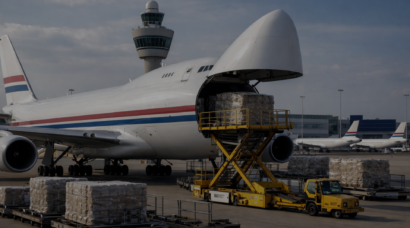
The port of Rotterdam is operating at maximum capacity. Terminals are filling up, inland vessels are unable to carry as much cargo due to low water levels, and irregular sailing schedules are causing congestion at the quays. On top of that, strikes and staff shortages are causing additional delays. The result: goods are staying in storage longer, schedules are being pushed back, and supply chain uncertainty is increasing.
What is congestion?
Congestion literally means a traffic jam. In a port terminal, this occurs when the influx of ships, containers, and trucks exceeds the capacity to process them quickly. Cranes and quays become overloaded, inland vessels have to wait for berths, and containers pile up until space becomes available. The result? Longer stays for cargo at the terminal, shifting sailing schedules, and delayed onward routes by road, rail, and water. Congestion is often caused by a combination of peak volumes, irregular sailing schedules, staff shortages, or external factors such as low water levels on inland waterways.
Why this is a risk
- Delays in production and deliveries due to containers being released later.
- Higher storage and terminal costs when cargo stays longer.
- Uncertain arrival times, which makes planning road and rail transport difficult.
- Urgent deliveries and re-routing, which entail unexpected costs.
BF Global Group: solutions that work
Advanced route planning
By continuously monitoring the position of ships and the congestion at terminals, we book cargo at the right time and make timely adjustments. We may consider a combination of sea, rail, and road transport to avoid peak loads.
Streamlined documentation and customs clearance
Limited terminal capacity and customs procedures remain a challenge; as a result, containers may remain on the quay for some time. However, thanks to our digital pre-clearance, the paperwork is completed in full before the cargo is released.
Adaptive storage solutions
Our multi-user warehouses can serve as flexible buffer stock. This allows you to absorb unexpected peaks, keep critical parts closer to the end market, and spread risks across multiple locations.
Real-time supply chain visibility
A cloud dashboard provides immediate insight into every shipment: document status, expected arrival, and any disruptions. This allows you to revise plans, proactively inform customers, and limit the impact of power or capacity problems.
Case study
A manufacturer of high-quality spare parts saw its supply chain come to a standstill due to congestion in Rotterdam. By planning ahead, using an alternative Northern European port, cross-docking the goods in Venlo, and implementing night deliveries, downtime was prevented and delivery reliability remained intact.
Your next step
Do you have questions about current shipments or would you like to know how our solutions can help you eliminate congestion stress? Contact us directly using the form on our website or give us a call. Our team is ready to help you.